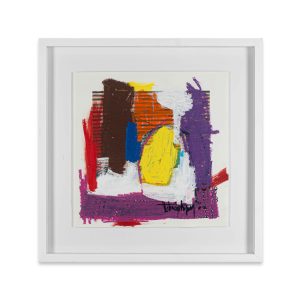
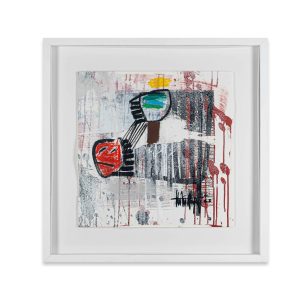
“Abstract art does not just mean painting freely and wildly, putting it out there with abandon. If it did, any old doodle or curtain fabric would be abstract art. But modernist abstract painting in the 20 th century found meaning in the colors, logic in the lines, discipline in the freedom. The greatest abstract paintings convince you they have such inner coherence”. – Jonathan Jones, Art Critic
Thabiso Phepeng uses a combination of postmodern African art, abstract expressionism and graffiti influences. The mix of influences has refined a style reflected in his work through the intense focus on process as opposed to working towards a pre-planned result. He assimilated his traditional art influence through ‘cultural osmosis’, or acculturation, fusing the traditional with the historic and the contemporary, giving it complexity and depth.
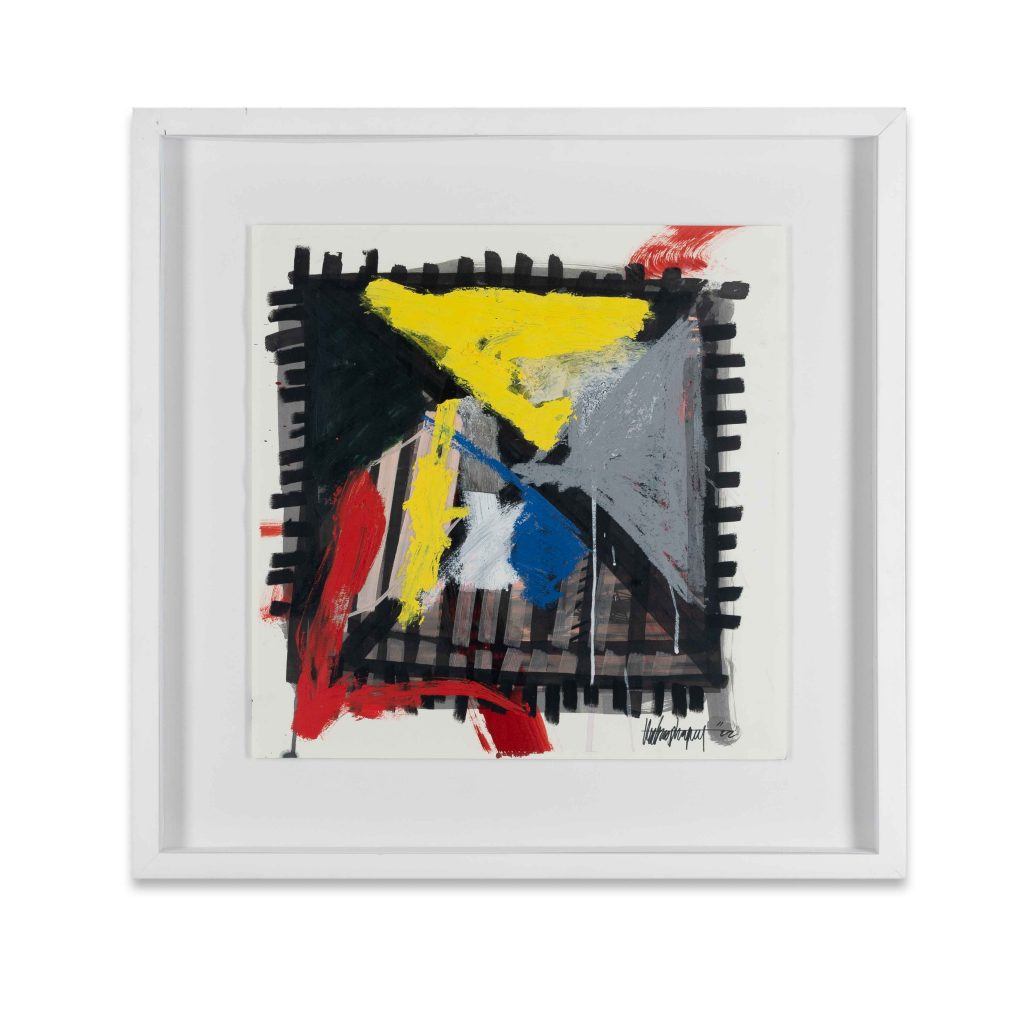
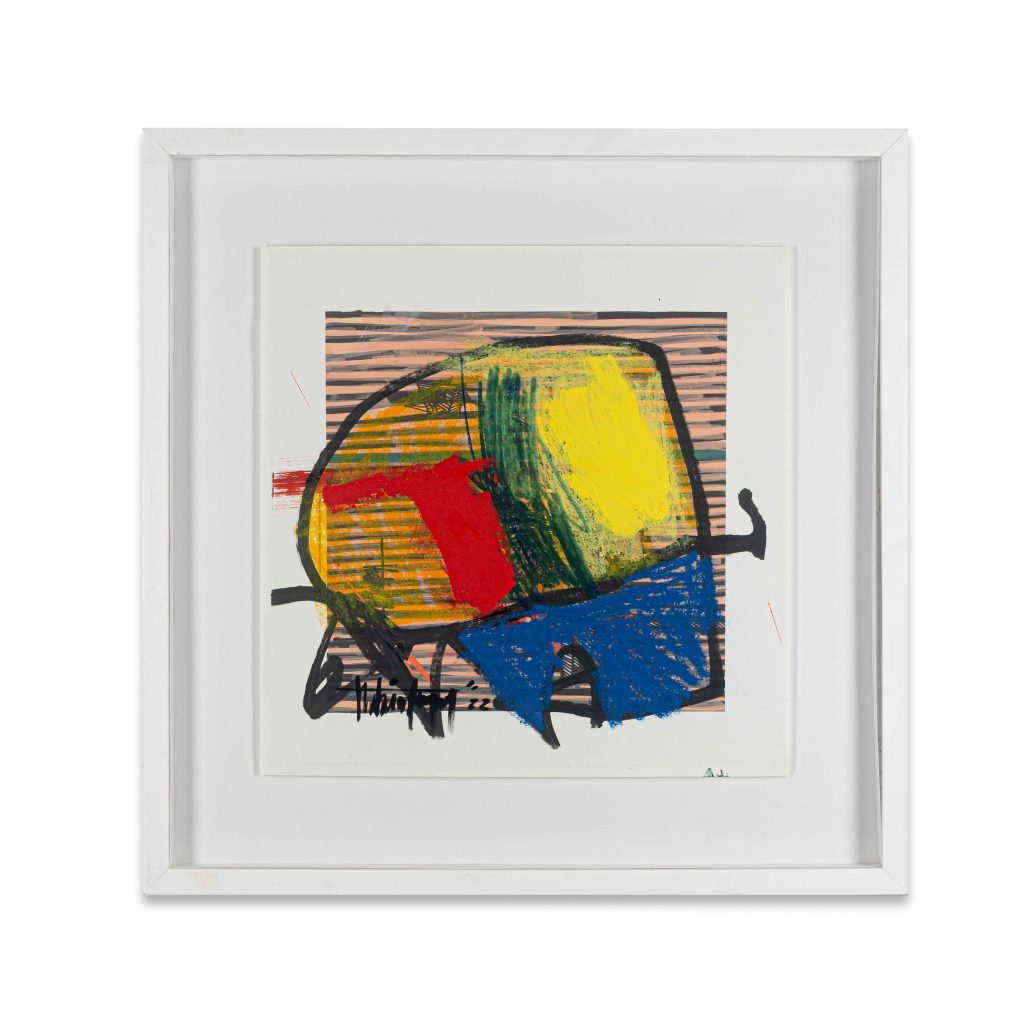
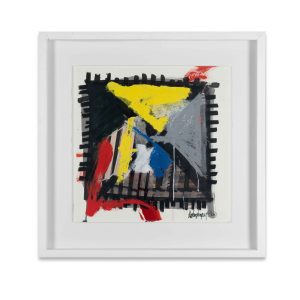
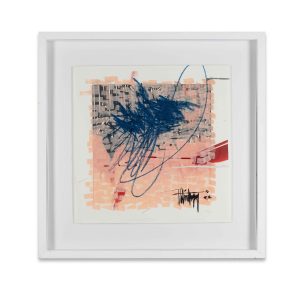
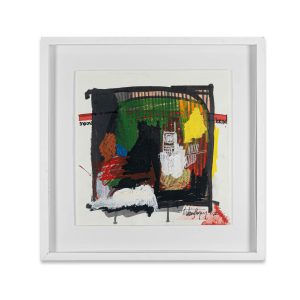
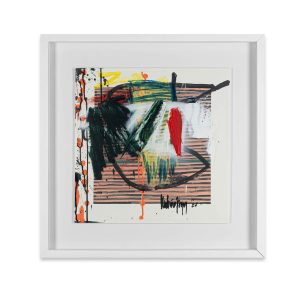
The works showcased in ‘SEVENTY’ are improvisations, “gestures of errors” that had a life before. They started as mechanically reproduced glicee prints (multiplies), until Phepeng noticed errors after the printing process. These “gestures of error” are no longer visible as the works were reworked into something new and unique altogether. The iconic Nina Simone mused in her song “Feeling Good” (1965) which encapsulate the artistic transformation of the art works in this exhibition.
It’s a new dawn It’s a new day It’s new life
For me And
I am feeling good…
Thabiso Phepeng delves into a language of abstraction: drips strokes, splatters, shapes and lines are echoed into richly textured visual fields. Vibrant colors and lines overlap into cascading swirls. Thabiso Phepeng is insistent about his choice in expressing himself through abstraction, (with some works incorporating text) rather than have to represent someone’s idea of Blackness. “I have come across people who look at my work and say it doesn’t look Black”. He does not want to be characterized as “African artist” for he feels it’s ghettoizing. “Art is a universal language that unites us all, it matters not where you are from. Your art stands by itself”, he says during our conversation. For Phepeng the whole notion of national identity as an artistic category is limiting. He understands the nature of accepted context versus actual influence. His art expresses an individual vision without sloganeering. Phepeng rejects labels, and ‘identity politics’ and celebrates artistic individuality without the albatross of categorization.
The works breathe and leave space for imagination – in a way make us to configure and reconfigure our attentions and to a certain extent our intentions. They are like allegories that can be interpreted to reveal hidden meaning (traditional, social or political). There are few if any traces left behind from the ‘original’ works, which might betray or question the current style. What is venerated, [In the age of mechanical reproduction], as ‘style’ is nothing more than an imperfection or flaw that revealed the guilty hand. Phepeng challenges our assumptions and comfort zone and opens up possibilities for reflection. The works present a full picture of Phepeng’s ‘blurred lines’, across all lines of race, ethnicity, and gender. ‘SEVENTY’ is an “open source of ideas” with 17 works displayed that are all united by the notion that an exchange of ideas within the context of creativity is an exploration of our interior thoughts and one can feel an artist’s energy and purpose through the work.